Empty Frames in 3D Kids Bedrooms
At first glance, a 3D kids bedroom filled with empty frames might seem incomplete—a placeholder for something yet to come. But for anyone working in design, content creation, or storytelling, those empty frames represent something far more valuable: a deliberate invitation. They are not voids waiting to be filled; they are prompts for imagination, composition, and personalization. Whether you are a 3D artist building a portfolio, a blogger illustrating a themed room concept, or an educator helping students explore spatial design, understanding how to use and interpret these empty frames can transform a static scene into a powerful tool for communication.
What a 3D Kids Bedroom with Empty Frames Really Offers
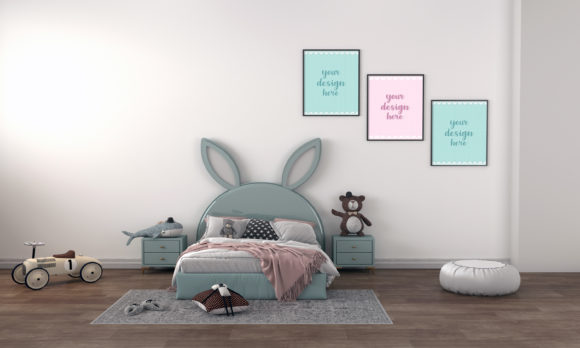
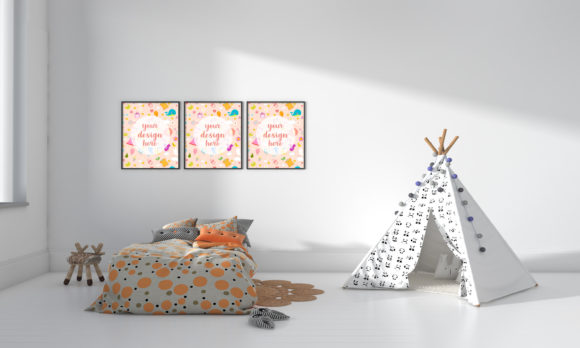
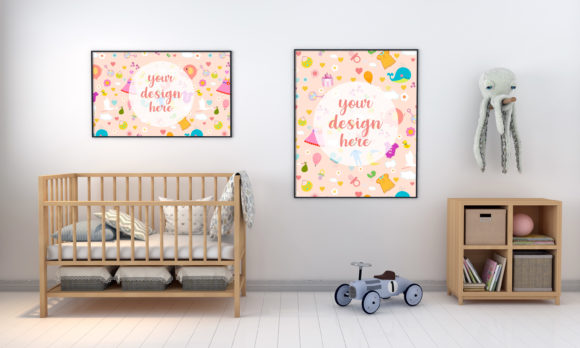
A 3D kids bedroom with empty frames is a digital or rendered environment where the wall art, posters, or decorative panels are deliberately left blank or outlined. Instead of pre-loading the scene with fixed imagery, the frames remain neutral—ready to host whatever the creator or viewer chooses. This is not a shortcut or a sign of an unfinished project. It is a strategic design choice that opens up flexibility, reuse, and narrative potential.
For designers and marketers, this approach means one base render can serve multiple campaigns. Swap the content inside the frames digitally, and the same bedroom adapts to a different theme, season, or target audience. For hobbyists and freelancers, it reduces the need to remodel an entire scene every time a client requests a variation. The frames become modular assets, and the bedroom becomes a stage rather than a fixed image.
Creative Directions for Different Audiences
How you approach a 3D kids bedroom with empty frames depends entirely on who you are creating for and what you want the scene to communicate. Below are several distinct angles, each with practical steps and realistic examples.
For Content Creators and Bloggers: Building Visual Stories
If you run a blog about kids’ room design or parenting, empty frames give you editorial flexibility. Imagine publishing a post titled “Five Ways to Style a Toddler’s Reading Nook.” You can reuse the same 3D bedroom render five times, changing only the artwork inside the frames to match each theme—whimsical animals, alphabet charts, nature prints, minimalist shapes, or custom family photos.
This approach keeps your visual identity consistent while allowing each article to feel fresh. It also saves rendering time and file management overhead. Instead of creating five separate scenes, you work from one master file and swap textures or image overlays. The empty frames are your content slots, and each post becomes a new iteration of a familiar space.
For Entrepreneurs and Small Business Owners: Product Placements without Commitment
Selling furniture, decor, or wall art online? A 3D kids bedroom with empty frames lets you showcase products without locking potential buyers into a specific aesthetic. Place a bed, rug, or lamp in the scene, but leave the frames blank. This signals that the product you are selling works with a wide range of decor styles. The viewer can mentally insert their own child’s favorite characters or colors into those frames.
You can also use the empty frames as a placeholder for future product lines. If you release a new set of prints or posters, simply drop them into the existing bedroom render. No need to reshoot or remodel. This is especially useful for print-on-demand businesses or Etsy sellers who update their catalog frequently.
For Educators and Workshop Facilitators: Teaching Spatial Thinking
In a classroom or online workshop setting, a 3D kids bedroom with empty frames becomes a teaching tool. Ask students to design their own artwork for the frames, then render or composite the results. This exercise teaches scale, color harmony, and how wall decor influences the overall feel of a room. It also gives students a tangible outcome: a complete bedroom scene that they personalized from start to finish.
You can extend the exercise by having students swap frames with each other. One student designs the room layout, another fills the frames, and a third adjusts lighting or textures. This collaborative workflow mirrors real-world production pipelines in game design, animation, and architectural visualization.
Practical Tips for Keeping Your Scene Clear and Effective
Working with empty frames in a 3D kids bedroom requires attention to detail. The frames themselves must read clearly as intentional design elements, not as forgotten placeholders. Here are a few recommendations.
- Define the frame profile. Use distinct molding, shadow, or bevel so the empty space inside feels deliberate. A thin, flat frame can look unfinished, while a deeper frame with a visible inner shadow suggests a waiting canvas.
- Light the frames separately. If your scene uses a single light source, add a subtle rim light or highlight to the frame edges. This separates the empty area from the wall and gives it dimension.
- Match scale to the room. A large frame in a small bedroom can feel overwhelming; a tiny frame on a big wall looks lost. Use standard reference sizes—8x10, 11x14, or 16x20 inches—and place them at eye level for a child, typically lower than adult room artwork.
- Consider the color palette. Even empty, frames contribute to the room’s color scheme. White, natural wood, or pastel frames keep the space light and adaptable. Dark frames add contrast but limit some thematic flexibility.
- Add one or two decorated frames for contrast. If every frame in the scene is empty, the room may feel sparse. Populate one frame with a simple pattern or a subtle texture, and leave the others blank. This gives the viewer a reference point for what the empty frames could become.
Variations and Styles to Explore
The concept of empty frames in a 3D kids bedroom is not monolithic. Depending on the mood and purpose, you can vary the style of the frames and the room itself.
Minimalist and Modern
Use thin metal or frameless canvas mounts in a room with clean lines, neutral walls, and simple furniture. The empty frames reinforce the idea of curated simplicity. This style works well for bloggers covering Scandinavian or Montessori-inspired design, where open-ended play and neutral environments are emphasized.
Whimsical and Themed
Choose frames shaped like clouds, stars, or animals. The empty interior becomes a window into a themed world. A frame shaped like a rocket ship, for example, invites a space-themed artwork later, but while empty it still reads as part of the decor. This approach is popular among small business owners who sell themed bedroom sets and want to suggest future add-ons.
Gallery Wall Arrangement
Instead of a single frame, create a clustered gallery wall with multiple empty frames at different sizes and orientations. This arrangement mimics real-world kids’ rooms where parents collect artwork over time. In a 3D scene, this layout suggests growth, change, and personal history. It is especially effective for lifestyle content aimed at parents who want their child’s room to evolve with their interests.
Adapting for Different Formats and Platforms
How you present a 3D kids bedroom with empty frames should match where your audience will see it.
For social media, focus on one frame as the focal point. Render a close-up of a single empty frame on a textured wall, with a toy or piece of furniture in the foreground. This creates a sense of anticipation and encourages followers to imagine what could go inside. Add a call-to-action: “What would your child hang here?” This drives engagement and gives you feedback for future content.
For blog or website hero images, show the full room with all frames empty. This communicates flexibility and invites visitors to project their own ideas onto the design. Pair the image with copy that emphasizes customization: “Start with this blank canvas and build the room your child dreams of.”
For portfolios or client pitches, include two versions of the same scene: one with all frames empty and one with sample artwork inserted. This demonstrates your ability to design adaptable spaces while also showing the final visual potential. Clients often appreciate seeing both the underlying structure and the finished result.
Staying Original and Audience-Friendly
With so many 3D bedroom scenes available online, originality comes from how you use the empty frames, not just the frames themselves. Avoid generic placement. Instead, think about the story the room tells. Is it a nursery waiting for the first family photos? A big-kid room ready for a new hobby? A shared bedroom with frames for each child? Each scenario changes the arrangement, size, and number of frames you will use.
Keep your audience in mind at every step. Parents looking at a kids’ bedroom render want to feel warmth, safety, and possibility. Marketing professionals want clarity, brand alignment, and reuse value. Educators want structure and teachable moments. By tailoring the empty frames to the viewer’s needs, you turn a simple design element into a strategic asset.
A 3D kids bedroom with empty frames is not an unfinished project. It is a starting point, a placeholder for potential, and a versatile tool for anyone who creates, sells, or teaches. Use it with intention, and the possibilities are anything but empty.