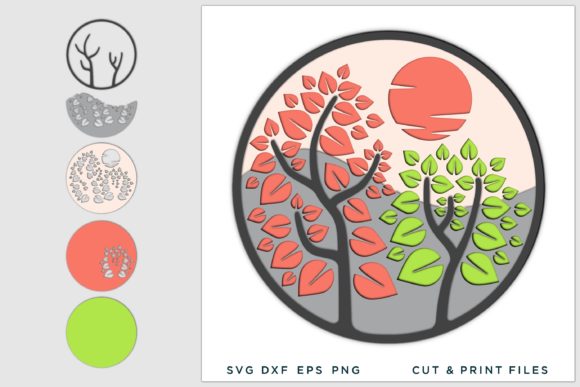
3D Tree Wall Art: Creative Depth for Any Space
Bringing nature indoors doesn’t have to mean adding another potted plant to the corner. Three-dimensional tree wall art offers a way to anchor a room with organic form while introducing real texture, shadow, and presence. Unlike flat prints or simple decals, a dimensional tree piece changes with the light, creates depth, and invites touch. Whether you’re a designer refining a concept, a small business owner curating a brand environment, or a hobbyist looking for a weekend project, understanding the possibilities of 3D tree wall art can open up new creative directions.
What Makes 3D Tree Wall Art Stand Out
At its core, 3D tree wall art is a sculptural representation of a tree or tree-like structure mounted on a wall. It can range from a minimalist silhouette in thick metal to a sprawling, multi-layered wooden composition with roots, branches, and leaves extending outward. The key element is dimension—layers that project from the surface, casting shadows and creating a tangible sense of form. This physical depth makes the piece feel alive and evolving as the viewer moves past it.
The interest lies in the contrast: a tree, symbolic of organic growth, rendered in materials like wood, steel, acrylic, or recycled materials. It merges natural inspiration with human craftsmanship. For spaces that feel flat or static, a 3D tree installation introduces a focal point that draws the eye and adds warmth without cluttering the room. Its versatility also means it works in minimalist interiors, rustic cabins, modern offices, and even retail spaces that want to communicate sustainability or growth.
Creative Styles and Interpretations
One of the most exciting aspects of this category is the range of visual languages you can adopt. There is no single “right” way to design a 3D tree wall piece, which means you can tailor it to a specific mood or message.
Minimalist and Geometric
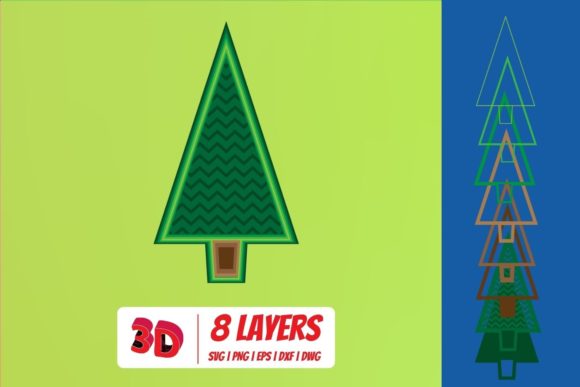
A few clean lines of blackened steel or laser-cut plywood can suggest a tree without detailing every branch. This approach works for contemporary apartments, tech company break rooms, or any setting that favors restraint. The negative space becomes as important as the material. A thin, branching sculpture in brushed brass against a white wall reads as elegant and modern. For a more abstract feel, combine triangular or angular forms that still evoke a canopy and trunk.
Realistic and Textured
Reclaimed wood, bark-textured resin, or hand-carved layers can produce a tree that mimics nature closely. These pieces often use multiple overlapping panels to create depth, with each layer painted or stained to highlight grain and shadow. A realistic oak tree in a reading nook can ground the space with a sense of permanence. For a more dramatic effect, add subtle LED lighting behind the layers to simulate dappled sunlight filtering through leaves.
Symbolic and Themed
Some 3D tree wall art incorporates additional elements: a tree with hanging lanterns for a whimsical feel, a family tree with names engraved on leaves, or a fusion of tree branches with abstract shapes that represent growth, connection, or resilience. These thematic pieces work well in lobbies, conference rooms, or as custom gifts. An entrepreneur might commission a tree where the branches hold small company milestones, turning the art into a visual timeline.
Practical Applications for Different Audiences
Understanding who will interact with the piece helps you choose size, material, and complexity. Each audience has distinct needs that a 3D tree can address.
- Designers and decorators can use 3D tree wall art to break up vast wall surfaces, add acoustic benefits with felt versions, or create a natural transition between indoor and outdoor spaces. For a client with a biophilic design brief, a large-scale tree installation in the entryway immediately sets a calming tone.
- Marketers and brand owners look for visual metaphors. A financial advisory firm wanting to convey stability and growth might install a tree carved from walnut with a solid, spreading base. A wellness brand could use a soft, flowing willow made of lightweight fabric, suggesting flexibility and peace. The 3D nature of the piece makes it memorable in photos and video backgrounds for social media or websites.
- Bloggers and content creators often need visually rich backdrops for flat lays, video calls, or product shots. A section of a 3D tree wall art—especially one with leaves or branches that extend into the frame—adds texture that flat photography backdrops lack. The same piece can serve as a seasonal prop when you swap small decorative elements around it.
- Educators and hobbyists can use 3D tree art as a teaching tool or DIY project. Building a layered tree from plywood teaches spatial reasoning and finishing techniques. In a classroom, a large tree wall sculpture can display student work or become a rotating seasonal decoration. For hobbyist woodworkers, a tree silhouette with branch slots for small shelves offers both art and utility.
- Small business owners in hospitality or retail can differentiate their space. A café with a rustic theme gains authenticity from a 3D tree constructed from salvaged pallet wood. A boutique clothing store might use a minimalist metal tree as a display rack for accessories, merging storage with design.
How to Choose and Use 3D Tree Wall Art Effectively
To get the most out of a piece, consider the context and how it will be perceived daily. Start with the scale: a small tree sculpture on a large wall can look like an afterthought, while an oversized piece in a cramped hallway overwhelms. Measure the wall and think about the viewing distance. A piece meant to be seen from across a room needs bolder shapes and higher contrast, while one near a seating area can have finer details.
Material and color matter for longevity and style. Raw wood suits earthy palettes and adds warmth, while high-gloss acrylic or metal feels more contemporary. If the piece will be installed in a humid environment (like a bathroom or covered patio), choose moisture-resistant materials or a sealed finish. Lighting can dramatically change the appearance. Play with directional spotlights to cast shadows that emphasize depth, or backlight the piece to create a glowing silhouette. In a professional setting, dimmable options let you adjust the mood from bright meetings to relaxed evenings. For DIY builders, consider using laser-cut templates that ensure consistency across multiple layers. A simple design with two to three layers can still produce striking depth if the offset is enough. You can also combine materials—a wooden trunk with copper wire branches, or a felt tree with fabric leaves.
To keep the result clear and effective, avoid cluttering the composition. Stick to one dominant shape and let it breathe. If you want to include color, choose a cohesive palette—like all cool greens and blues for a serene effect, or warm ambers and browns for a cozy one. Repetition of forms, such as repeated leaf shapes or consistent branch angles, creates a rhythmic quality that feels organized and intentional.
Realistic Ideas for Different Spaces
Here are a few concrete scenarios that show how 3D tree wall art can be adapted without being pretentious or impractical.
- Home entryway: Install a narrow, tall tree sculpture from plywood, painted in a matte black. It defines the vertical space and anchors the wall without needing a console table that eats into walkway space. Add a small shelf at the base for keys and mail.
- Creative studio background: Use a modular tree system made from interlocking felt pieces. Each branch and leaf can be repositioned to change the composition for video calls or product shoots. The felt also absorbs sound, reducing echo in the room.
- Children’s playroom: Build a colorful 3D tree from thick, soft materials like foam or fabric. Attach small pouches on branches for storing toys or books. The tree becomes a playful learning tool while adding visual interest.
- Corporate reception: Commission a large-scale tree from powder-coated aluminum with a matte finish. The branches can hold small LED lights that shift colors according to the season or event. It reinforces a forward-thinking, nature-connected brand image.
Balancing Originality with Audience-Friendly Design
While pushing creative boundaries is satisfying, a 3D tree wall art piece still needs to resonate with its audience. A highly abstract interpretation might confuse a client expecting a realistic tree, whereas a generic design may fail to spark interest in a discerning interior. The sweet spot lies in finding a recognizable tree motif while adding a unique twist—perhaps through material choice, scale, or an unexpected color accent. For example, a birch tree in natural light wood with gold leaf tips is both familiar and striking.
When designing for a specific audience, involve them in the concept phase if possible. Show a few sketches or material swatches and ask about the emotional response they want the art to evoke. This approach ensures the final piece feels personal rather than imposed. For public spaces, consider how different viewers will interpret it: a tree with upward-reaching branches suggests growth and aspiration, while one with spreading, sheltering branches implies protection and community. These subtle cues matter in spaces where people gather.
Ultimately, 3D tree wall art offers a rare blend of natural symbolism, tactile presence, and design flexibility. It can be as simple or elaborate as the context demands, and it works across residential and professional environments. By focusing on structure, material, and the relationship between the piece and its surroundings, you can create an installation that feels less like decoration and more like an integral part of the space.