Understanding the Kiwi Fruit Editable 3D Text Effect and When It Fits Your Design Needs
When you browse through modern graphic design resources, you increasingly encounter themed text effects that blend typography with realistic textures. One such option that has caught attention is the Kiwi Fruit Editable 3D Text Effect. It sits at the intersection of playful food-themed design and dimensional typography, offering a distinctive look for certain projects. But like any specialized design resource, it comes with specific strengths and limitations. This article walks through what makes this effect stand out, how it compares with broader categories of text effects, and how to decide if it is the right fit for your next project.
What Defines the Kiwi Fruit Editable 3D Text Effect
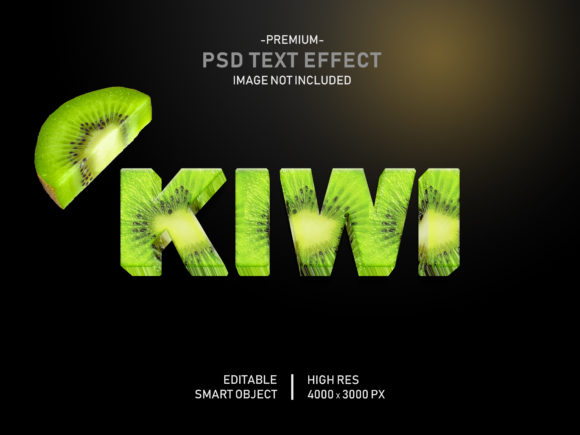
At its core, the Kiwi Fruit Editable 3D Text Effect is a layered typography style that mimics the appearance of a sliced kiwi fruit. Typically, it combines a green outer skin texture with the lighter inner flesh and the ring of dark seeds that radiate from the center. The 3D aspect adds depth, making the letters appear as though they have been carved from or wrapped in the fruit itself.
What makes it distinct is the editable nature. In most implementations, the effect is built using layer styles, textures, and displacement maps that remain adjustable. You can replace the base text, change the color tone of the flesh, adjust the intensity of the 3D bevel, or even tweak the seed pattern. This flexibility means you are not stuck with a static image. Instead, you can adapt the effect to match the rest of your visual identity without starting from scratch.
Key Visual Characteristics
- Textured skin and flesh: The outer layer mimics the brownish-green fuzzy skin, while the inner section shows a pale green to yellow gradient with a central core.
- Seed ring detail: Small dark dots arranged in a circular pattern around the center, adding realism and immediate recognizability.
- 3D depth and bevel: The extrusion gives letters volume, making them look like physical objects rather than flat decals.
- Editable smart layers: Most templates allow you to double-click a layer and type your own text, preserving the effect automatically.
Comparing the Kiwi Fruit Effect with Broader Text Effect Categories
To understand when to use this effect, it helps to compare it with three broader categories: general 3D text effects, food-themed text effects, and realistic material text effects.
General 3D Text Effects
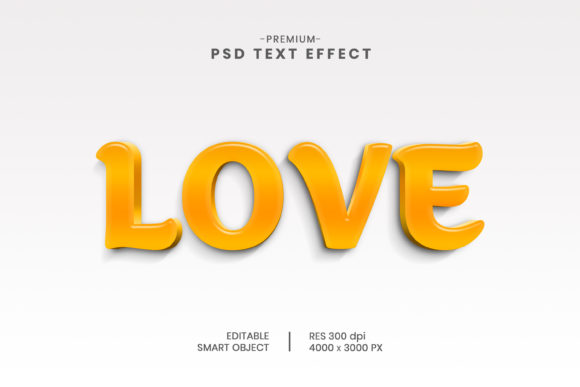
General 3D text effects cover everything from simple extruded letters to complex isometric constructions. They can be made from chrome, glass, neon, or abstract shapes. The Kiwi Fruit Editable 3D Text Effect belongs to a narrower niche within this category. While a general 3D text effect gives you maximum freedom in terms of material and lighting, it also requires you to make many decisions. You have to choose a texture, set up reflections, and adjust the bevel. The kiwi effect, by contrast, comes pre-styled with a specific look. If you need a polished fruit-themed design quickly, it saves time. If you need a more neutral or professional 3D look, a general effect may be more appropriate.
Food-Themed Text Effects
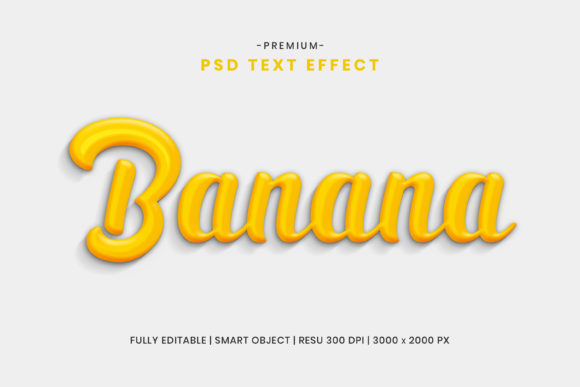
Food-themed text effects include styles that mimic chocolate, candy, metal foil wrappers, citrus slices, or cake frosting. The Kiwi Fruit Editable 3D Text Effect fits squarely here. Compared to, say, a chocolate text effect, the kiwi style offers a fresher, more organic feel. It conveys natural, healthy, or tropical associations. However, it is less versatile. Chocolate text effects work for dessert menus, candy packaging, and sweet treat branding. Kiwi text effects work best when the product or message relates to freshness, health, or a tropical aesthetic. If your branding leans toward indulgence, chocolate or caramel effects may connect better with your audience.
Realistic Material Text Effects
This is the broadest category, covering wood, stone, metal, fabric, and many other surfaces. Realistic material effects aim to mimic the physical properties of a substance. The Kiwi Fruit Editable 3D Text Effect is a specific material effect, but with an edible twist. Compared to wood or stone text effects, the kiwi style is more playful and less formal. It would not suit a law firm website or a financial report. But for a juice bar menu, a nutrition blog header, or a summer event poster, it adds a memorable, appetizing touch. Wood and stone effects convey durability and tradition, while the kiwi effect communicates freshness and creativity.
Immediate Thematic Connection
If your project involves fruit-based products, health and wellness, tropical themes, or natural ingredients, this effect makes an instant visual connection. Audiences recognize the kiwi pattern within seconds, which reinforces your message without extra explanation. For a smoothie shop's social media graphic, the effect practically sells itself.
Time Efficiency
Creating a custom 3D fruit texture from scratch in a 3D application takes significant skill and rendering time. An editable PSD or template provides the look in minutes. You simply edit the smart layer, adjust the color if needed, and export. For freelance designers or small business owners working under tight deadlines, this efficiency is a real advantage.
Customization Without Complexity
Because the effect is editable, you can change the text content, adjust the scale, modify the color warmth, or even replace the background. You are not locked into one presentation. This adaptability makes the effect useful across multiple deliverables: a logo mockup, a banner, a product label, and a social media post can all share the same styled text while looking distinct.
Niche Appeal Limits Versatility
The strongest selling point of the Kiwi Fruit Editable 3D Text Effect is also its biggest limitation: it looks very specifically like a kiwi. That might be perfect for a tropical fruit brand but odd for a technology startup or a professional services firm. If your audience expects a serious or minimalist tone, this effect could undermine your credibility. Always evaluate whether the playful, natural vibe matches your overall brand identity.
Dependence on Software Compatibility
Most editable text effects rely on specific software, typically Adobe Photoshop with layer style support. If you use Affinity Designer, Canva, or a web-based design tool, you may find compatibility issues. Some templates offer smart objects that translate across applications, but the 3D bevel and texture mapping often degrade. Before purchasing or downloading, confirm that the file format works with your workflow.
Resolution and Scaling Constraints
Because the kiwi texture and seed pattern are built at a certain resolution, scaling the text too large can reveal pixelation or stretching. The effect works best at moderate sizes where the seeds remain distinct and the flesh gradient looks smooth. For large-format prints like billboards or trade show banners, you may need to rebuild the effect at a higher resolution or choose a vector-based alternative.
Trend Sensitivity
Food-themed text effects, especially those with realistic fruit textures, tend to follow design trends. What looks fresh and original today may feel dated in a couple of years. If you are designing for a long-term brand asset like a logo or a permanent sign, consider whether the kiwi style will age well. For short-term campaigns or seasonal content, trend sensitivity matters far less.
When the Kiwi Fruit Editable 3D Text Effect Is the Right Choice
You will get the most value from this effect when:
- Your project centers on fruit, health, or tropical themes. Examples include a juice bar menu, a fruit subscription service landing page, a nutrition ebook cover, or a summer festival flyer.
- You need a quick, polished result. If you are not a 3D artist or you lack time to build a custom texture, the editable template gives you professional output in minutes.
- The audience expects a playful or appetizing tone. For children's products, casual dining, or wellness content, the kiwi effect feels approachable and friendly.
- You plan to use it across multiple short-term assets. Social media posts, email headers, and promotional banners for a limited-time campaign can all benefit from a consistent but fun text style.
When Another Option May Work Better
Consider alternatives when:
- Your brand requires a serious, corporate, or minimalist identity. A clean sans-serif or a subtle metallic text effect would communicate professionalism more effectively.
- You need the text to remain readable at very small sizes. The intricate seed pattern and 3D bevel can make letters harder to read below a certain point size. A simpler flat text effect would preserve legibility.
- You are designing for a long-term logo or permanent signage. Trends come and go, and a kiwi-themed wordmark may limit future rebranding flexibility.
- Your output format requires vector scalability. If you need to resize the text from business card size to billboard size, a vector text effect (or a properly built 3D model) will give you cleaner results than a raster-based PSD template.
Practical Decision Factors to Weigh
To make an informed choice, consider the following factors side by side:
- Project timeline: If you need a result today, an editable template wins. If you have weeks, custom 3D fruit text built in a modeling application will be more unique.
- Brand consistency: Does the kiwi aesthetic match your existing color palette and logo style? If your brand uses muted earth tones, a bright green and yellow text effect may clash.
- Audience expectation: A health food audience will likely respond positively. A corporate B2B audience may find it unprofessional.
- Longevity: For ephemeral content, trendiness is fine. For evergreen assets, choose a style with broader staying power.
- Technical environment: Verify that your editing software supports the file format and layer styles before committing.
Realistic Example Scenarios
Scenario A: A local juice bar launches a new "Tropical Boost" smoothie line. The owner wants a series of Instagram posts and in-store signs. Using the Kiwi Fruit Editable 3D Text Effect for the name of each smoothie creates immediate visual appeal. The editable layers let the owner change flavors each week without redesigning the whole graphic. The playful style matches the brand's friendly, health-conscious identity. This is a strong fit.
Scenario B: A boutique marketing agency designs a website for a fruit export company. The client wants a professional, trustworthy look that still highlights freshness. The designer considers the kiwi effect for the hero headline but decides it looks too casual. Instead, they use a clean serif typeface with a subtle green color palette and a realistic kiwi image in the background. The message remains fresh without sacrificing professionalism. This is a case where the alternative choice wins.
Scenario C: A freelance designer creates printables for a kids' nutrition e-book. The chapters are named after fruits. Using the Kiwi Fruit Editable 3D Text Effect for the "K is for Kiwi" chapter head makes the page engaging and fun. The effect holds up well at the moderate print size. The designer uses similar effects for other fruit chapters, maintaining a cohesive but varied visual theme. This works well because the context is playful and educational.
Final Perspective on Choosing the Kiwi Fruit Editable 3D Text Effect
The Kiwi Fruit Editable 3D Text Effect is not a universal solution, but it does not need to be. Its value lies in specificity. When your project aligns with its natural, playful, and appetizing character, it delivers an immediate visual shorthand that generic text effects cannot match. When the context demands neutrality, formality, or scalability, you are better served by a different approach.
The best design decisions come from understanding the full picture: your brand voice, your audience's expectations, your technical constraints, and your timeline. By evaluating the Kiwi Fruit Editable 3D Text Effect through this lens, you can use it exactly where it shines and confidently choose alternatives where it does not.